
co2-laser-resurfacing • 8 min read
CO₂ Laser for Lines Around the Mouth: What to Expect

Dr Ravi Jain
26 October 2026
CO₂ laser for lines around the mouth can soften some etched lines, but it is an intensive treatment with a meaningful recovery. It is not right for every line or every patient. I first assess what is causing the lines, what improvement is realistic and whether the healing period fits the patient’s life.
Lines around the mouth are a common reason people ask me about laser resurfacing. They can remain visible even when someone feels well and is happy with the rest of their face. In this guide, I explain how CO₂ laser may help, how fully ablative treatment differs from fractional resurfacing, and what I would want you to understand before deciding.
Riverbanks Clinic offers CO₂ laser resurfacing for selected concerns. You can read about our CO₂ laser resurfacing treatment and see the CO₂ treatment options and prices. We see patients from Harpenden, St Albans, Luton and nearby areas.
Why do lines form around the mouth?
There is rarely one cause. Repeated lip movement can contribute, while years of sun exposure and natural changes in the skin can make lines more noticeable. Smoking history, skin type and changes in support or volume around the mouth may also play a part.
That matters because two people with similar-looking lines may need different advice. Some lines appear mainly when the lips move; others remain visible when the face is relaxed. Skin texture, depth, facial movement and the surrounding tissues all help me understand what treatment might address.
In consultation, I ask what bothers you most. Is it the etched line, the texture around it, movement of the lips, or a broader change in the lower face? Your answer helps us focus on the concern that matters to you, rather than choosing a device first and looking for a reason to use it.
What can CO₂ laser do for lines around the mouth?
Ablative CO₂ resurfacing removes controlled portions of the skin’s surface and creates a wound that then heals. During repair, collagen remodelling may improve texture and soften the appearance of etched lines. The degree of change varies with the treatment, the skin and the individual healing response.
I describe the aim as improvement, not erasure. CO₂ laser cannot stop the ageing process or prevent new lines. It also cannot correct every cause of lines around the mouth. If movement, volume or support contributes significantly, resurfacing alone may leave part of the concern unchanged.
For that reason, I avoid saying that every line comes from one process or that one treatment suits everyone. The treatment area, depth and settings must be chosen for the patient in front of me. Clinical judgement matters as much as the laser platform.
The area around the mouth also moves constantly when we speak, eat and make expressions. Therefore, I plan the treatment boundaries carefully and explain how the treated skin may look during healing. The surface may heal before redness has settled, and the lines may remain partly visible when the skin has recovered.
Any improvement develops as the skin heals and remodels; it is not an instant change. This is one reason I discuss likely outcomes in stages: early wound healing, the period of persistent redness, and the later result. Your clinician should explain what follow-up they provide throughout those stages.
Fully ablative or fractional CO₂: what is the difference?
These terms describe different treatment patterns. Fully ablative resurfacing treats the whole surface of the selected area. Fractional CO₂ creates microscopic columns of treatment, leaving intervening skin untreated. Both can be ablative, but they do not produce the same wound pattern or recovery demands.
Fully ablative treatment is more intensive and generally requires a more substantial period of healing. Fractional treatment may suit a different balance of improvement and downtime. However, the word “fractional” alone does not tell you how deeply the skin will be treated or what recovery will involve. The settings, area and treatment plan matter.
When discussing treatment, ask the clinician to explain exactly which approach they propose, why it suits your concern, how many sessions they expect and what healing may look like. My guide to fractional and fully ablative resurfacing explains the distinction in more detail.
Would filler or surgery be more suitable?
Laser, filler and surgery address different features. Resurfacing treats the skin’s surface and texture. Filler may be considered when loss of volume or support contributes to the appearance. Surgery addresses laxity and sagging; it does not directly resurface etched lines.
So I do not see laser as a replacement for filler or a facelift, and I would not dismiss those options automatically. If your main concern is skin texture, tightening deeper tissues may not answer it. Conversely, if sagging or volume loss is the main issue, resurfacing may not deliver the change you want.
Sometimes another treatment, a combination or no procedure is the most sensible choice. The recommendation should follow an assessment of the cause of the lines and your priorities, not a social media comparison or a claim about a particular machine.
What results and recovery should I expect?
After treatment, the skin needs time to heal. Depending on the depth and area, the early phase may involve redness, swelling, tenderness, weeping or crusting. Once the surface has healed, pinkness can remain and may take longer to settle. The visible recovery is not identical for everyone, and a return-to-work date cannot be guaranteed.
Typically my patients with full-face CO₂ resurfacing are really pleased with the improvement, despite redness still being visible at three months. That is a typical person’s experience, not a forecast for a treatment around the mouth. I share it because patients should understand that recovery can extend beyond the first few days.
Before deciding, think about work, caring responsibilities, social plans and the practical support you may need. Ask who will monitor your healing, what aftercare is required and whom you should contact if you are worried. A treatment plan should include follow-up, not end when the laser is switched off.
What are the risks of CO₂ resurfacing?
Possible complications include infection, reactivation of cold sores, changes in pigmentation, prolonged redness, delayed healing and scarring. Your personal risk depends on your health, skin, treatment area and the depth of treatment. Treatment around the mouth needs careful planning, including discussion of cold-sore history and whether preventive medication is appropriate.
Good preparation, written aftercare and access to clinical advice are part of the procedure. I explain the risks relevant to your history and plan. I would be cautious of any consultation that presents full-field resurfacing as simple, promises a guaranteed result or gives everyone the same recovery timetable.
Peer-reviewed literature includes a clinical comparison of CO₂ laser and dermabrasion for upper-lip wrinkles (PubMed study). A 2025 expert consensus discusses complications of fully ablative facial resurfacing and the importance of patient selection, counselling and postoperative care (2025 consensus paper).
How do I decide if the treatment is right for me?
I begin by assessing your skin, the lines at rest and during movement, your medical history and what you hope to change. We then discuss whether resurfacing addresses the main concern, what degree of improvement is realistic, and whether you are comfortable with the recovery and risks.
At Riverbanks Clinic, I take a doctor-led, evidence-based approach. The laser is a tool; diagnosis, treatment choice, settings, technique and follow-up all influence how it is used. If I do not think fully ablative resurfacing is appropriate for you, I will explain why and discuss the alternatives.
Before choosing a clinician, consider asking:
- Who will assess me and perform the treatment?
- Why are you recommending this treatment pattern and depth?
- What improvement is realistic, and what will it not address?
- How long might I be visibly healing, and who will support me afterwards?
- What risks apply to my skin and medical history?
- Are there alternatives that better match my goals or recovery plans?
Watch: CO₂ laser recovery and aftercare
This video explains aftercare following fractional CO₂ treatment. Fully ablative resurfacing involves a different treatment and recovery, so use the instructions from your own clinician rather than relying on this video as a substitute.
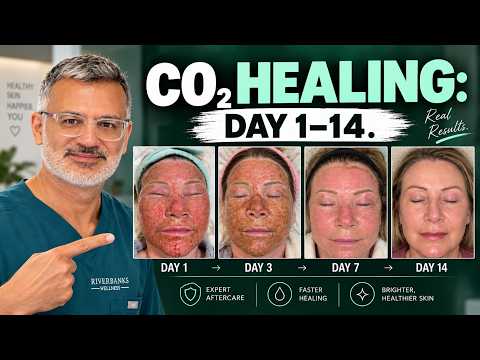
Watch Dr Ravi Jain’s CO₂ fractional laser aftercare advice.
Is CO₂ laser right for lines around my mouth?
It may be worth discussing when etched lines and skin texture are your main concerns and you are prepared for a significant recovery. If movement, volume loss or sagging is more important, a different approach may suit you better. Only an individual assessment can establish whether the likely benefit justifies the commitment.
If you are in Harpenden, St Albans, Luton or nearby, you can book a consultation with Riverbanks Clinic. I will listen to what you want to change, assess your skin and explain the options, risks and recovery before you make a decision.
Subscribe to the blog
Get the latest articles sent straight to your inbox
TESTIMONIALS
OUR PATIENTS LOVE OUR
RELAXING CLINIC
Patients love coming to Riverbanks for two key reasons: our expert team and the exceptional results we deliver. With highly skilled practitioners who prioritise patient care and cutting-edge treatments tailored to individual needs, every visit is a reassuring and results-driven experience in a welcoming, professional environment.